Breaking

samedi 16 septembre 2017

septembre 16, 2017

9 Facts About Fertility You Should Learn In Your Twenties

9 Facts About Fertility You Should Learn In Your Twenties


1. There is a drop-off in fertility, especially for women, as you get older. But it might not be as dramatic as you think.

If you're a woman, your chance of conceiving each time you have unprotected sex starts to drop in about your mid-thirties. But media reports of a "fertility cliff" are overblown."There certainly is a reduction in female fertility in age," Tim Child, a consultant gynaecologist and professor at the University of Oxford, tells BuzzFeed News. "But it's certainly not a cliff. It's a gradual decline that steepens as you get towards your late thirties." A couple where the woman is 40 "has about a 50% chance of conceiving" in 12 months of trying, he says, although the risk of miscarriage is higher.Robert Winston, an emeritus professor of fertility studies at Imperial College London, agrees. "Women are more fertile than they realise, for a long time," he tells BuzzFeed News. "The average age of having your first baby is over 30 now, and there isn't any decrease in national fertility that we can see. So the idea that you are becoming infertile at 30 is nonsense."
Halfpoint / Getty Images
If you're a woman, your chance of conceiving each time you have unprotected sex starts to drop in about your mid-thirties. But media reports of a "fertility cliff" are overblown.
"There certainly is a reduction in female fertility in age," Tim Child, a consultant gynaecologist and professor at the University of Oxford, tells BuzzFeed News. "But it's certainly not a cliff. It's a gradual decline that steepens as you get towards your late thirties." A couple where the woman is 40 "has about a 50% chance of conceiving" in 12 months of trying, he says, although the risk of miscarriage is higher.
Robert Winston, an emeritus professor of fertility studies at Imperial College London, agrees. "Women are more fertile than they realise, for a long time," he tells BuzzFeed News. "The average age of having your first baby is over 30 now, and there isn't any decrease in national fertility that we can see. So the idea that you are becoming infertile at 30 is nonsense."

2. If you're trying to conceive and don't get pregnant right away, you really don't need to worry.
If you're trying to get pregnant, each month that passes can feel incredibly long. But it's pretty rare to get pregnant straight away. "The chance of a British couple getting pregnant each cycle is about 20%," says Winston. "It's a bit higher in Australia, where people have a bit more sex; it's a bit lower in France, where people have less."So on average, it takes five months to get pregnant. You're not unusual unless you've gone 10 months or a year. I wouldn't dream of examining someone until it's been a year, unless there was some specific reason you thought there was a problem."Dr Helen Munro, a sexual and reproductive health consultant, agrees. "If a couple have been having sex two or three times a week for a year and still not fallen pregnant, they'd be the ones I'd look at," she told BuzzFeed News. "Otherwise, you're fertile until proven otherwise."Child says "the chances of a healthy couple conceiving in a year is about 80%, and importantly, half of the ones who haven't will conceive naturally the year after. Often it just takes longer."
Frentusha / Getty Images
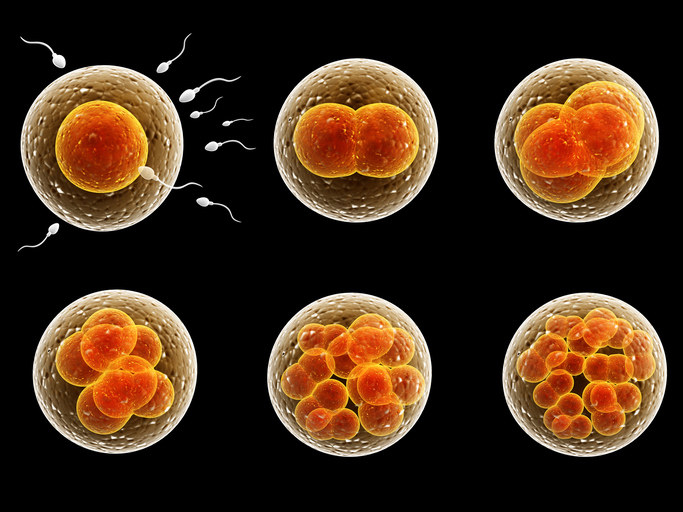
If you're trying to get pregnant, each month that passes can feel incredibly long. But it's pretty rare to get pregnant straight away.
"The chance of a British couple getting pregnant each cycle is about 20%," says Winston. "It's a bit higher in Australia, where people have a bit more sex; it's a bit lower in France, where people have less.
"So on average, it takes five months to get pregnant. You're not unusual unless you've gone 10 months or a year. I wouldn't dream of examining someone until it's been a year, unless there was some specific reason you thought there was a problem."
Dr Helen Munro, a sexual and reproductive health consultant, agrees. "If a couple have been having sex two or three times a week for a year and still not fallen pregnant, they'd be the ones I'd look at," she told BuzzFeed News. "Otherwise, you're fertile until proven otherwise."
Child says "the chances of a healthy couple conceiving in a year is about 80%, and importantly, half of the ones who haven't will conceive naturally the year after. Often it just takes longer."

3. Contraception can't make you infertile.
"The number one thing with our female patients starting contraception is they have these ideas about contraception causing infertility. The pill making you infertile, or a coil making you infertile," says Munro."I spend a lot of time reassuring young women that contraception can't make you infertile. The myths are maybe from people who've come off contraception and then struggle to get pregnant, but it's not to do with the contraception. As a doctor, I want to first do no harm. If there was any reason we thought that contraception could cause infertility, that would be harm, and I couldn't do it."
Flocu / Getty Images
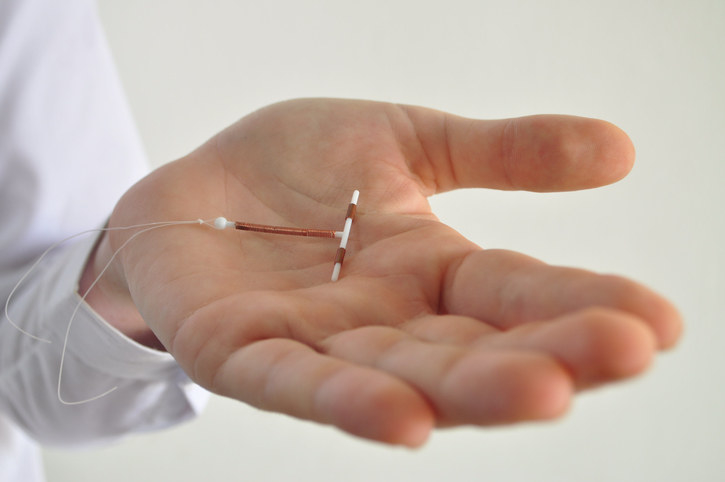
"The number one thing with our female patients starting contraception is they have these ideas about contraception causing infertility. The pill making you infertile, or a coil making you infertile," says Munro.
"I spend a lot of time reassuring young women that contraception can't make you infertile. The myths are maybe from people who've come off contraception and then struggle to get pregnant, but it's not to do with the contraception. As a doctor, I want to first do no harm. If there was any reason we thought that contraception could cause infertility, that would be harm, and I couldn't do it."

4. Your risks of failing to conceive and of miscarriage increase into your late thirties and forties.

Women are born with between 2 million and 3 million eggs in their ovaries, says Child. "The common myth is that [you become infertile when] you run out of eggs," he says. "Occasionally that's the case, but generally it's that as you get older, the eggs that remain are of poorer quality. We don't really know why." So you may continue ovulating, but your eggs are more likely to have genetic problems. That means that if they're fertilised, they're less likely to implant, and if they do implant, you're more likely to have a miscarriage further along in the pregnancy.How late you want to leave it depends on lots of things. "We're living longer and working longer," says Munro. "We have different priorities – our priority isn't having a baby at 21, and that's a good thing. But our bodies haven't changed. We're still at peak fertility in our mid-twenties." Adam Balen, a consultant in reproductive medicine and chair of the British Fertility Society, says that if you want a "really good" chance of having a larger family, it is better to start earlier. "If you just want one, you can probably wait until your early thirties and still have a really good chance," he tells BuzzFeed News. But if you want more than that, to give yourself the best shot, he says, it may be worth considering starting earlier.But, Munro says, media focus on this can be unhelpful. "Women are inherently aware. We know this and don't need to be told," she says. "As clinicians, we'll work with the choices of the woman, so if she's busy in her career at age 35 and doesn't want an unplanned pregnancy, I'll give her options for good contraception."
Monkeybusinessimages / Getty Images
Women are born with between 2 million and 3 million eggs in their ovaries, says Child. "The common myth is that [you become infertile when] you run out of eggs," he says. "Occasionally that's the case, but generally it's that as you get older, the eggs that remain are of poorer quality. We don't really know why."
So you may continue ovulating, but your eggs are more likely to have genetic problems. That means that if they're fertilised, they're less likely to implant, and if they do implant, you're more likely to have a miscarriage further along in the pregnancy.
How late you want to leave it depends on lots of things. "We're living longer and working longer," says Munro. "We have different priorities – our priority isn't having a baby at 21, and that's a good thing. But our bodies haven't changed. We're still at peak fertility in our mid-twenties."
Adam Balen, a consultant in reproductive medicine and chair of the British Fertility Society, says that if you want a "really good" chance of having a larger family, it is better to start earlier. "If you just want one, you can probably wait until your early thirties and still have a really good chance," he tells BuzzFeed News. But if you want more than that, to give yourself the best shot, he says, it may be worth considering starting earlier.
But, Munro says, media focus on this can be unhelpful. "Women are inherently aware. We know this and don't need to be told," she says. "As clinicians, we'll work with the choices of the woman, so if she's busy in her career at age 35 and doesn't want an unplanned pregnancy, I'll give her options for good contraception."

5. Men's fertility declines as they get older too.

Although the focus is usually on a woman's decline in fertility, there is one for men too. However, it is later and manifests differently."The proportion of sperm that have the wrong number of chromosomes goes up, although it's about 10 years later than for women," says Child. "Sperm donors have to be less than 40 in the UK. And for men, even though sperm quality declines, it doesn't go down to zero – so you get the Charlie Chaplins having children in their seventies."
Eraxion / Getty Images
Although the focus is usually on a woman's decline in fertility, there is one for men too. However, it is later and manifests differently.
"The proportion of sperm that have the wrong number of chromosomes goes up, although it's about 10 years later than for women," says Child. "Sperm donors have to be less than 40 in the UK. And for men, even though sperm quality declines, it doesn't go down to zero – so you get the Charlie Chaplins having children in their seventies."

6. IVF isn't a cure-all, and sometimes people might be pushed towards it when they don't need it.

Winston estimates that half of the IVF cycles given in the UK are unnecessary. "Clinics make money from giving people IVF," he says. That's not to say that lots of couples don't need it, but there is an incentive for the people running clinics to encourage you to use it. Often, he says, specific fertility problems are best treated with specific solutions. "For example, failure to ovulate is better treated with drugs than with IVF," he says. "People with obstructions are better treated with a laparoscopy [keyhole surgery] than with IVF." And if there's no specific cause detected, he says, "you're more likely to get pregnant having sex on the hearth rug" than by undergoing IVF.
Yurkoman / Getty Images
Winston estimates that half of the IVF cycles given in the UK are unnecessary. "Clinics make money from giving people IVF," he says. That's not to say that lots of couples don't need it, but there is an incentive for the people running clinics to encourage you to use it.
Often, he says, specific fertility problems are best treated with specific solutions. "For example, failure to ovulate is better treated with drugs than with IVF," he says. "People with obstructions are better treated with a laparoscopy [keyhole surgery] than with IVF."
And if there's no specific cause detected, he says, "you're more likely to get pregnant having sex on the hearth rug" than by undergoing IVF.

7. Lifestyle can affect a couple's chances of getting pregnant – but, again, probably less than you think.
"The two things that are proven to reduce fertility are obesity and smoking," says Child. That's true for both men and women, although more so for women.But the link isn't all that strong. People who smoke and people who are overweight aren't that much less likely to get pregnant than the rest of the population. "You're told that if you smoke a cigarette you'll be infertile, and if you smoke excessively it might reduce your sperm count, but all these lifestyle choices probably don't make a massive difference," says Winston. And the evidence of any effect of alcohol and caffeine on fertility is fairly weak.It is true that women who are on the very extreme end of physical fitness sometimes stop having periods. "Some female athletes do stop ovulating," says Winston. "But for most young people, that's irrelevant."
Cillay / Getty Images
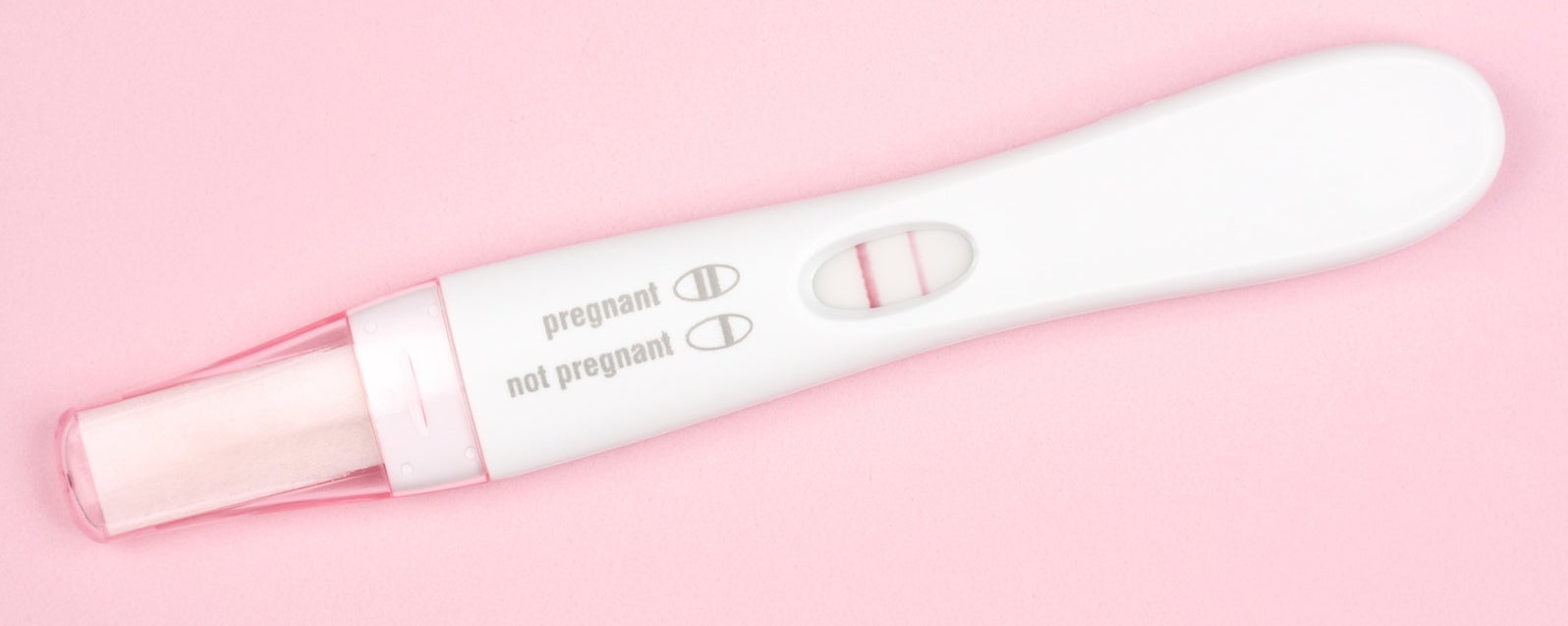
"The two things that are proven to reduce fertility are obesity and smoking," says Child. That's true for both men and women, although more so for women.
But the link isn't all that strong. People who smoke and people who are overweight aren't that much less likely to get pregnant than the rest of the population. "You're told that if you smoke a cigarette you'll be infertile, and if you smoke excessively it might reduce your sperm count, but all these lifestyle choices probably don't make a massive difference," says Winston. And the evidence of any effect of alcohol and caffeine on fertility is fairly weak.
It is true that women who are on the very extreme end of physical fitness sometimes stop having periods. "Some female athletes do stop ovulating," says Winston. "But for most young people, that's irrelevant."

8. Although you should probably avoid bodybuilding supplements (not just steroids) and be wary of STIs.
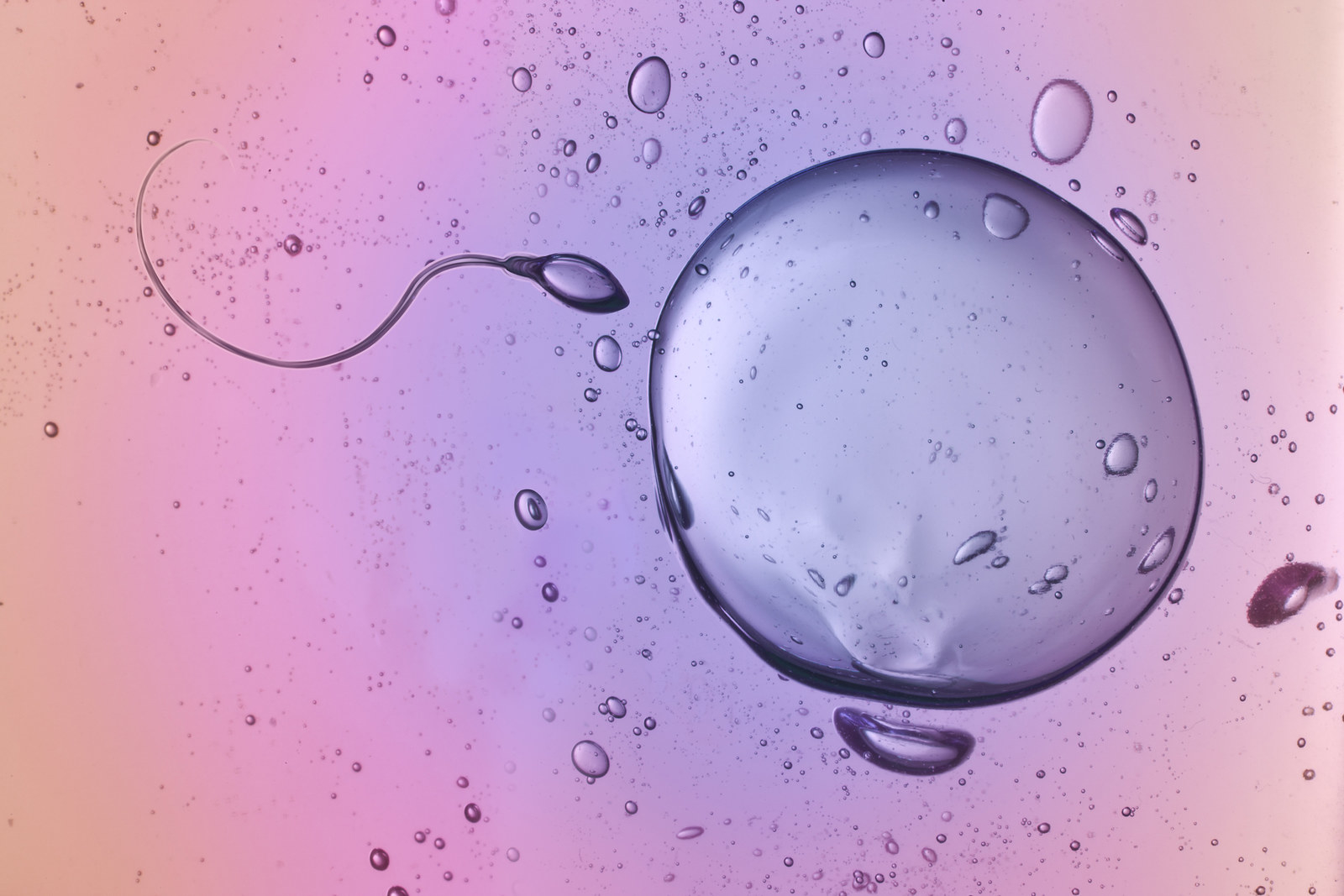
"It's good to be fit and healthy and go to the gym, but don't use supplements that you get online," says Balen.That's especially true for ones that you know contain anabolic steroids, he says, but others can also "cause permanent damage to sperm production, so you look muscular but you can turn off sperm production altogether." "I've seen men with problems with sperm count who say they haven't used steroids but have used supplements," says Balen. "You just don't know what's in them."Also, some sexually transmitted infections can cause infertility later in life. "Things like chlamydia can increase your chances of fertility problems," says Munro. "If someone's had pelvic inflammatory disease, which can come after untreated chlamydia, I would say you have to be careful because it can affect your fertility. Or if men have gonorrhoea which spread to the epididymis, that can affect sperm production."
Ugurhan / Getty Images
"It's good to be fit and healthy and go to the gym, but don't use supplements that you get online," says Balen.
That's especially true for ones that you know contain anabolic steroids, he says, but others can also "cause permanent damage to sperm production, so you look muscular but you can turn off sperm production altogether."
"I've seen men with problems with sperm count who say they haven't used steroids but have used supplements," says Balen. "You just don't know what's in them."
Also, some sexually transmitted infections can cause infertility later in life. "Things like chlamydia can increase your chances of fertility problems," says Munro. "If someone's had pelvic inflammatory disease, which can come after untreated chlamydia, I would say you have to be careful because it can affect your fertility. Or if men have gonorrhoea which spread to the epididymis, that can affect sperm production."

9. You can get pregnant later in life than you realise, so don't assume you don't need to worry about contraception when you hit 35.

The rate of pregnancies among younger women is going down, but it's going up among the over-35s and over-40s. "The question I ask students is: 'Are these unplanned pregnancies, or through choice?'" says Munro. "And I think it's a mix."She thinks a lot of women assume that because they're over 40 they don't need to worry about contraception any more. "Maybe they're coming out of their first relationships and are navigating sex and relationships at a later age," she says. "Over-40s can get pregnant, absolutely. It's not unheard of for women to forget that because they're told so much about the 'cliff'." She points to Cherie Blair, who famously got pregnant at 45 while her husband Tony was in office as prime minister. "Until you absolutely stop having periods, you still could be fertile," she says.
Jpwallet / Getty Images
The rate of pregnancies among younger women is going down, but it's going up among the over-35s and over-40s. "The question I ask students is: 'Are these unplanned pregnancies, or through choice?'" says Munro. "And I think it's a mix."
She thinks a lot of women assume that because they're over 40 they don't need to worry about contraception any more. "Maybe they're coming out of their first relationships and are navigating sex and relationships at a later age," she says. "Over-40s can get pregnant, absolutely. It's not unheard of for women to forget that because they're told so much about the 'cliff'."
She points to Cherie Blair, who famously got pregnant at 45 while her husband Tony was in office as prime minister. "Until you absolutely stop having periods, you still could be fertile," she says.

septembre 16, 2017

15 Things A Doctor Wants You To Know About Contraception

15 Things A Doctor Wants You To Know About Contraception


1. Before you go to see your doctor, have a think about exactly what you want from your contraception.

Before you head in for your appointment, it's worth having a think about these two questions:1. How reliable a method do you want?2. Do you want a method you're in constant control of, or something you can forget about?To put the first question another way, "How unpregnant do you want to be?" says Dr Anne Connolly, vice president for the Faculty of Sexual & Reproductive Health and a GP who specialises in contraception."Some women will want something that's going to last for years, some will just want something for a short time," she says. And, says Connolly, if you want to be in control, you should think about if, for example, taking a pill at the same time every day is something you’re going to be able to realistically do.
Fox
Before you head in for your appointment, it's worth having a think about these two questions:
1. How reliable a method do you want?
2. Do you want a method you're in constant control of, or something you can forget about?
To put the first question another way, "How unpregnant do you want to be?" says Dr Anne Connolly, vice president for the Faculty of Sexual & Reproductive Health and a GP who specialises in contraception.
"Some women will want something that's going to last for years, some will just want something for a short time," she says.
And, says Connolly, if you want to be in control, you should think about if, for example, taking a pill at the same time every day is something you’re going to be able to realistically do.

2. And also think about what you don't want.

The first thing your doctor will want to know is what you know about different forms of contraception, especially any you've tried before and not got on with. "Sometimes it's about understanding what people really don't want," says Connolly. "Some women will come in, they've tried something before and they're really not going to go down that line again."If you have any specific concerns or worries about anything contraception-related, bring those up at the start too, so you and your GP are on the same page, and so that you don't forget to mention anything.
Maritsa Patrinos / BuzzFeed
The first thing your doctor will want to know is what you know about different forms of contraception, especially any you've tried before and not got on with.
"Sometimes it's about understanding what people really don't want," says Connolly. "Some women will come in, they've tried something before and they're really not going to go down that line again."
If you have any specific concerns or worries about anything contraception-related, bring those up at the start too, so you and your GP are on the same page, and so that you don't forget to mention anything.

3. Your doctor will probably ask you about condom use.

"Obviously contraceptives are good at stopping you getting pregnant, but they don't stop you getting sexually transmitted infections,” says Connolly. “So we're often advising people to use condoms as well as something else."
Professor25 / Getty Images
"Obviously contraceptives are good at stopping you getting pregnant, but they don't stop you getting sexually transmitted infections,” says Connolly. “So we're often advising people to use condoms as well as something else."

4. Be prepared to answer questions about your medical history.

After figuring out what you’re looking for, your doctor will need to assess the clinical risk for you of using whichever form of contraception you want to use.It might be helpful to have with you a list of your current medications. "Some of the medications you take will interfere with some hormonal contraceptive methods, and some of the hormonal contraceptives will interfere with treatments for other things," says Connolly.Your doctor will also ask you questions about whether you get migraines, if you have any family history of blood clots, or if you've had adverse reactions to other methods of contraception before."Most methods of contraception are absolutely fine for anybody and everybody, but some methods do have a risk behind them,” says Connolly. “So we have to ask a few medical questions.”
NBC
After figuring out what you’re looking for, your doctor will need to assess the clinical risk for you of using whichever form of contraception you want to use.
It might be helpful to have with you a list of your current medications. "Some of the medications you take will interfere with some hormonal contraceptive methods, and some of the hormonal contraceptives will interfere with treatments for other things," says Connolly.
Your doctor will also ask you questions about whether you get migraines, if you have any family history of blood clots, or if you've had adverse reactions to other methods of contraception before.
"Most methods of contraception are absolutely fine for anybody and everybody, but some methods do have a risk behind them,” says Connolly. “So we have to ask a few medical questions.”

5. If you want to see what a form of contraception actually looks like, you can ask.

"I've got some in a box, I can show people a coil, I can show them the implant, so people get a feel for it," says Connolly.There are 15 types of contraception available in the UK, so you're not expected to know everything there is to know about each of them before you see your doctor.
Lalocracio / Getty Images
"I've got some in a box, I can show people a coil, I can show them the implant, so people get a feel for it," says Connolly.
There are 15 types of contraception available in the UK, so you're not expected to know everything there is to know about each of them before you see your doctor.

6. You don't need to be 100% certain straight away.

"It's often worth starting one of the really safe, quick-acting progesterone-only pill methods so that you've got time to use something now and go away and think about whether they'd like to use something different," says Connolly. That way you're covered straight away, and you can take some time to figure out what will work for you.
NBC
"It's often worth starting one of the really safe, quick-acting progesterone-only pill methods so that you've got time to use something now and go away and think about whether they'd like to use something different," says Connolly.
That way you're covered straight away, and you can take some time to figure out what will work for you.

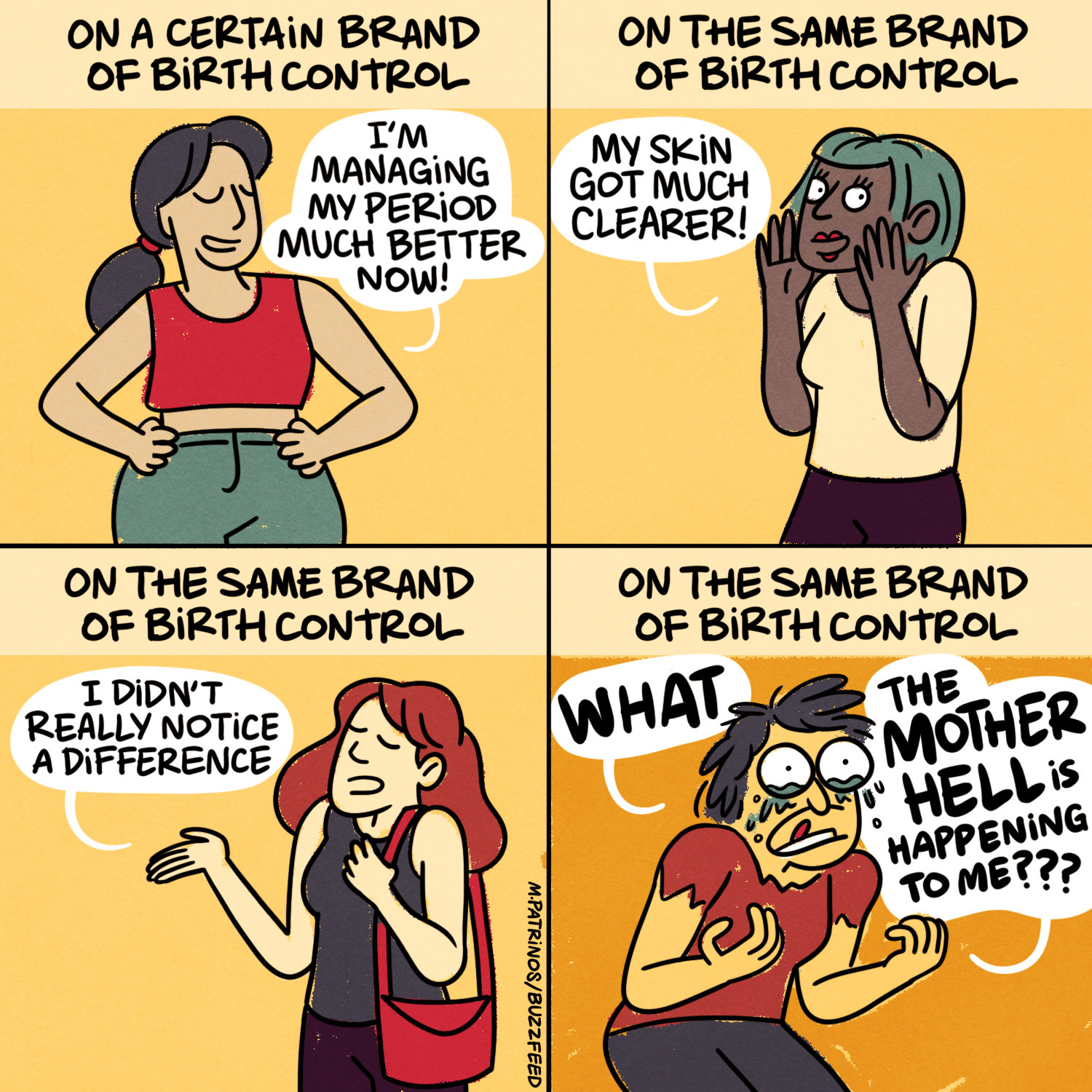
7. Don't just put up with "side effects" to your contraception.

If you start on the pill and find your periods get heavier, or you start experiencing other symptoms like dizziness, don't just assume they're side effects you have to put up with. Go back to your doctor and tell them about it."Periods on the pill on the whole shouldn't be heavier, they should be lighter, so if someone's periods have started to change we'd want to do a chlamidiya test, we'd want to see if she was due for a smear," says Connolly. Similarly, dizziness really isn't one of the most recognised side effects with the pill, so your doctor should be trying to figure out if there's another reason you're experiencing it. If you have a problem that persists, it might be worth trying a different pill or method, even if it's just for a little while, to see if the problem goes away, says Connolly.
Becky Barnicoat / BuzzFeed
If you start on the pill and find your periods get heavier, or you start experiencing other symptoms like dizziness, don't just assume they're side effects you have to put up with. Go back to your doctor and tell them about it.
"Periods on the pill on the whole shouldn't be heavier, they should be lighter, so if someone's periods have started to change we'd want to do a chlamidiya test, we'd want to see if she was due for a smear," says Connolly.
Similarly, dizziness really isn't one of the most recognised side effects with the pill, so your doctor should be trying to figure out if there's another reason you're experiencing it.
If you have a problem that persists, it might be worth trying a different pill or method, even if it's just for a little while, to see if the problem goes away, says Connolly.

8. Some forms of contraception might stop your periods entirely – and there's nothing wrong with that.

The hormones in some forms of contraception, like the pill and the hormone coil (IUS), stop the lining of your uterus thickening, so instead of every month the lining of the womb thickening and shedding as a period, the lining of the womb stays thin. The IUS can make your periods lighter or stop them altogether, and if you don't take a pill break you won't have a period either."Even if you have a period while you're taking the pill it's not a true period, it's just bleeding because you're not taking the pill any more," says Connolly.She says the pill was designed to simulate a "monthly bleed" to make it more acceptable when it was first marketed: "It was felt that people who were a bit dubious about the pill would then view it as natural, which of course it never is."
Hbak / Getty Images
The hormones in some forms of contraception, like the pill and the hormone coil (IUS), stop the lining of your uterus thickening, so instead of every month the lining of the womb thickening and shedding as a period, the lining of the womb stays thin.
The IUS can make your periods lighter or stop them altogether, and if you don't take a pill break you won't have a period either.
"Even if you have a period while you're taking the pill it's not a true period, it's just bleeding because you're not taking the pill any more," says Connolly.
She says the pill was designed to simulate a "monthly bleed" to make it more acceptable when it was first marketed: "It was felt that people who were a bit dubious about the pill would then view it as natural, which of course it never is."

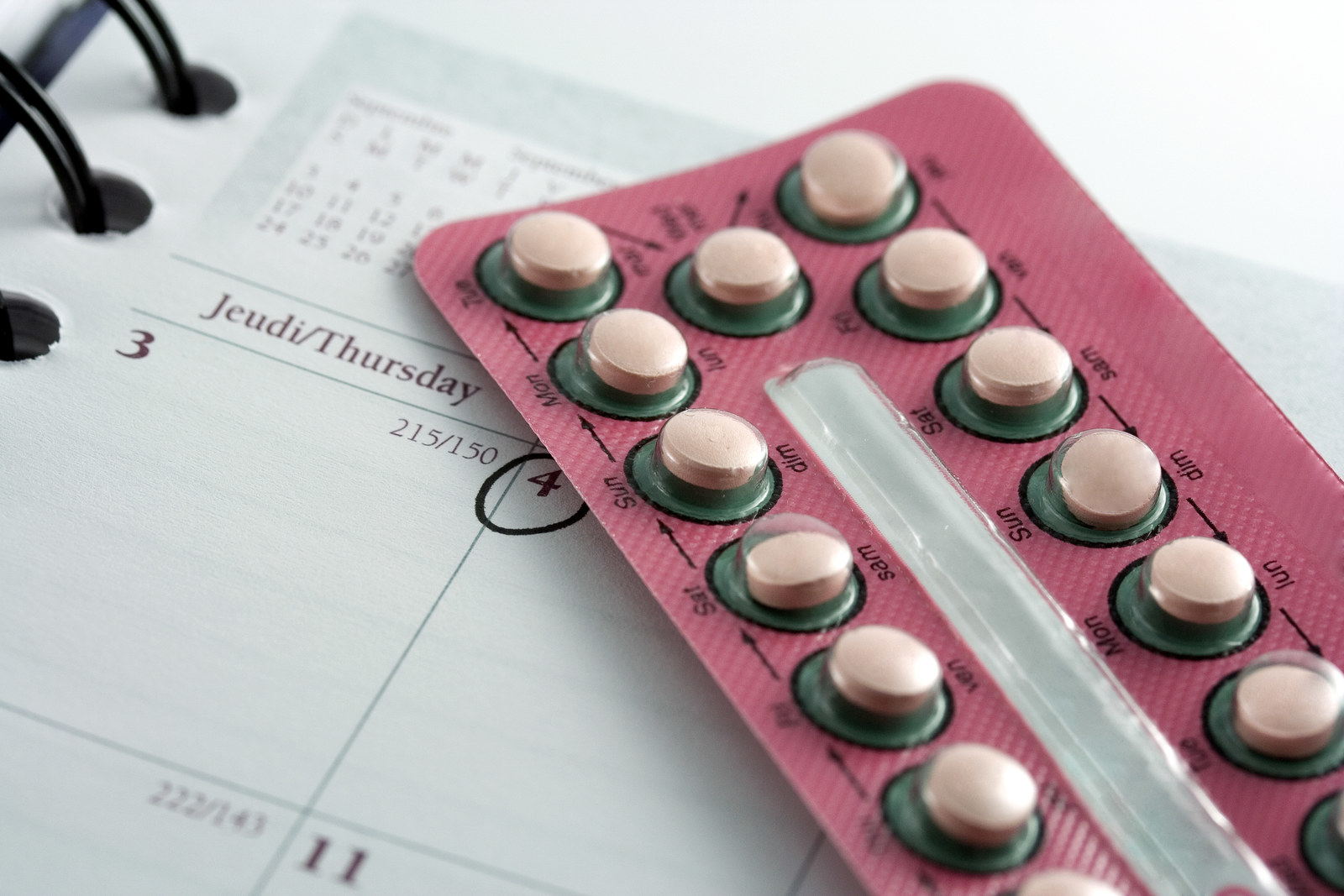
9. If you want, you can choose to not have a period at all on the pill.

Connolly says she gives people who are starting on the pill the option to run the packets together and skip their period altogether."The pill-free break is actually the time when the pill fails," says Connolly. "So if you really want to make the pill more reliable not only can you avoid having a period, but it actually makes the pill work better."It doesn't mean you'll never, ever have a period, though. "At some point women will bleed – that might not be for six months, it might not be for a year, it might be after two months, you can't predict that," she says. But once you have that bleed what you can do is just take a break from the pill for four days, have a "period", then start taking it again.
Terri Pous / BuzzFeed
Connolly says she gives people who are starting on the pill the option to run the packets together and skip their period altogether.
"The pill-free break is actually the time when the pill fails," says Connolly. "So if you really want to make the pill more reliable not only can you avoid having a period, but it actually makes the pill work better."
It doesn't mean you'll never, ever have a period, though. "At some point women will bleed – that might not be for six months, it might not be for a year, it might be after two months, you can't predict that," she says. But once you have that bleed what you can do is just take a break from the pill for four days, have a "period", then start taking it again.

10. There can be a bunch of other upsides to some forms of contraception, besides the whole not-getting-pregnant thing.

The hormone coil for example, doesn't just act as a contraceptive. "It helps with heavy periods, and it protects against womb cancer," says Connolly. There's also evidence that women who take combined oral contraceptives for years have a reduced evidence of womb cancer.
giphy.com
The hormone coil for example, doesn't just act as a contraceptive. "It helps with heavy periods, and it protects against womb cancer," says Connolly.
There's also evidence that women who take combined oral contraceptives for years have a reduced evidence of womb cancer.

11. If you don't want hormonal contraception, you still have options.

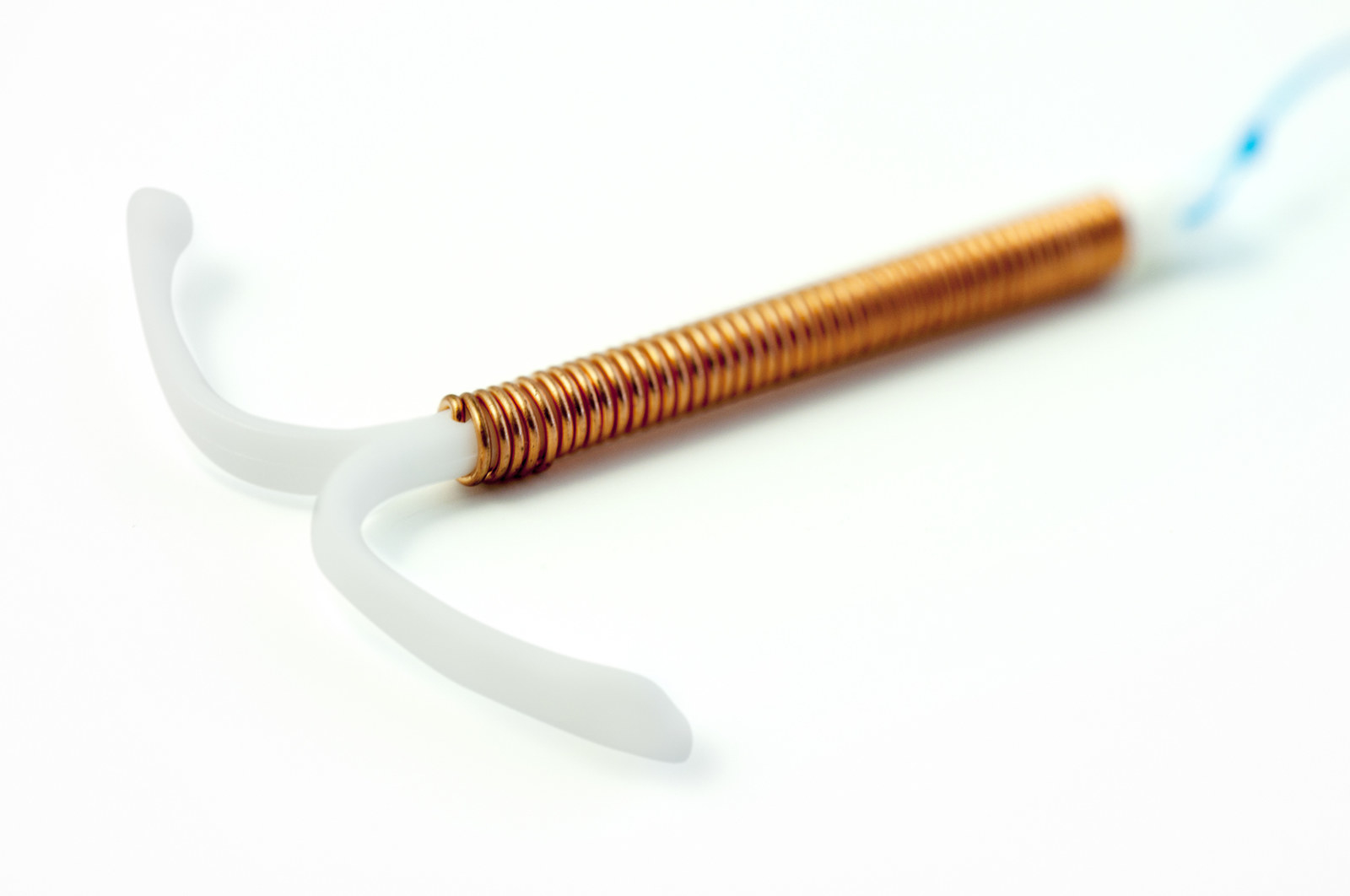
The most effective is a copper coil (also known as an IUD). "Pretty much everybody can use them," says Connolly.It works in a similar way to the hormone coil, but instead of releasing hormones it releases copper that changes the make up of fluids in your womb and stops sperm being able to survive there. It might also stop fertilised eggs implanting.Getting a copper coil inserted can be uncomfortable or painful, but once it's over the device can last for up to 10 years. "I'd usually suggest someone take something like ibuprofen about 90 minutes before," says Connolly. You can also take a friend along if you're nervous.
Fox
The most effective is a copper coil (also known as an IUD). "Pretty much everybody can use them," says Connolly.
It works in a similar way to the hormone coil, but instead of releasing hormones it releases copper that changes the make up of fluids in your womb and stops sperm being able to survive there. It might also stop fertilised eggs implanting.
Getting a copper coil inserted can be uncomfortable or painful, but once it's over the device can last for up to 10 years.
"I'd usually suggest someone take something like ibuprofen about 90 minutes before," says Connolly. You can also take a friend along if you're nervous.

12. If you want to try using fertility awareness as a method of contraception, you should be aware it has a higher failure rate than other methods.

Fertility awareness, also called natural family planning, involves paying attention to signs of fertility like body temperature and cervical secretions. There are apps these days that will help you track signs of fertility, but experts still recommend you get trained by a qualified teacher if you want to use this method."Some women use fertility awareness methods forever and do really well with it," says Connolly. "But you've got to be very disciplined, and your partner's got to be very disciplined."The idea is that by working out when you ovulate, and by knowing that sperm can survive for several days, you can work out when you're fertile and when you're not. On your fertile days, you have to avoid sex or use another method of contraception like condoms. The majority of women ovulate mid-cycle. "But not everyone ovulates when we think they're going to – some women do at any point during the cycle," says Connolly, which can make it tricky to accurately work out your fertile window."It's a method that some people will use reliably, but there's a much higher failure rate [than other forms of contraception]," she says.
Kayla Yandoli / BuzzFeed
Fertility awareness, also called natural family planning, involves paying attention to signs of fertility like body temperature and cervical secretions. There are apps these days that will help you track signs of fertility, but experts still recommend you get trained by a qualified teacher if you want to use this method.
"Some women use fertility awareness methods forever and do really well with it," says Connolly. "But you've got to be very disciplined, and your partner's got to be very disciplined."
The idea is that by working out when you ovulate, and by knowing that sperm can survive for several days, you can work out when you're fertile and when you're not. On your fertile days, you have to avoid sex or use another method of contraception like condoms.
The majority of women ovulate mid-cycle. "But not everyone ovulates when we think they're going to – some women do at any point during the cycle," says Connolly, which can make it tricky to accurately work out your fertile window.
"It's a method that some people will use reliably, but there's a much higher failure rate [than other forms of contraception]," she says.

13. If you're a woman who knows she never, ever wants kids, there are actually more reliable methods than sterilsation.

"Female sterilisation failure rates are actually higher than some forms of contraception, like the Mirena [hormone coil], the copper coil, the implant and the injection," says Connolly.If you're in a monogamous relationship with a male partner and you both know you never want children, vasectomy is another option that may be better from a medical point of view, says Connolly."A vasectomy is 10 times more reliable than female sterilisation," she says. While 1 woman in 200 will become pregnant in her lifetime after being sterilised, only 1 in 2,000 men who have a vasectomy will get a woman pregnant after the operation.She also points out the extra benefits for some women of hormonal methods of contraception: "Sometimes we see women who are sterilised and 10 years down the line they come in with heavy periods so I put a Mirena in."But if you are really sure about wanting sterilisation, your doctor will need to explain the risks to you and make sure you're aware that you're making a decision from here on in. They'll probably also recommend you have counselling before they refer you for the operation.
Maritsa Patrinos / BuzzFeed
"Female sterilisation failure rates are actually higher than some forms of contraception, like the Mirena [hormone coil], the copper coil, the implant and the injection," says Connolly.
If you're in a monogamous relationship with a male partner and you both know you never want children, vasectomy is another option that may be better from a medical point of view, says Connolly.
"A vasectomy is 10 times more reliable than female sterilisation," she says. While 1 woman in 200 will become pregnant in her lifetime after being sterilised, only 1 in 2,000 men who have a vasectomy will get a woman pregnant after the operation.
She also points out the extra benefits for some women of hormonal methods of contraception: "Sometimes we see women who are sterilised and 10 years down the line they come in with heavy periods so I put a Mirena in."
But if you are really sure about wanting sterilisation, your doctor will need to explain the risks to you and make sure you're aware that you're making a decision from here on in. They'll probably also recommend you have counselling before they refer you for the operation.

14. Everything you say to your GP or practice nurse is 100% confidential.

Your doctor wants you to feel comfortable and able to talk openly. "Some people are worried, especially if they live in a small community, that family members will find out. But people would lose their jobs [if they told anyone what you'd said]," says Connolly.
Ieang / Getty Images
Your doctor wants you to feel comfortable and able to talk openly. "Some people are worried, especially if they live in a small community, that family members will find out. But people would lose their jobs [if they told anyone what you'd said]," says Connolly.

15. The most important thing to remember is that if you're not happy with the contraception you're using, go back to your doctor and tell them.

If you notice any changes to your physical or mental health after you start using a new form of contraception, and you're not happy with those changes, tell your doctor. "Sexual and reproductive health is a really important part of who we are and our rights as patients," says Connolly.
NBC
If you notice any changes to your physical or mental health after you start using a new form of contraception, and you're not happy with those changes, tell your doctor. "Sexual and reproductive health is a really important part of who we are and our rights as patients," says Connolly.